The display gets the attention, but the transducer does the work. It sends sound pulses into the water and listens for echoes from the bottom, structure and fish.
Frequencies
Lower frequencies, such as 50 kHz, reach deeper water with a wider cone. Higher frequencies, such as 200 kHz, show more detail in shallow water. CHIRP transducers sweep a range of frequencies in each pulse, which separates fish from each other and from the bottom more clearly than a single frequency.
Imaging
Down imaging uses a high, thin beam to draw a near-photographic picture of what is directly below the boat. Side imaging looks out to each side to find structure and schools before you drive over them. Forward-facing and live sonar show fish moving in real time.
Mounting
- Transom mount: the most common choice for outboard boats, easy to install and adjust.
- Trolling motor mount: sonar follows where the bow motor points.
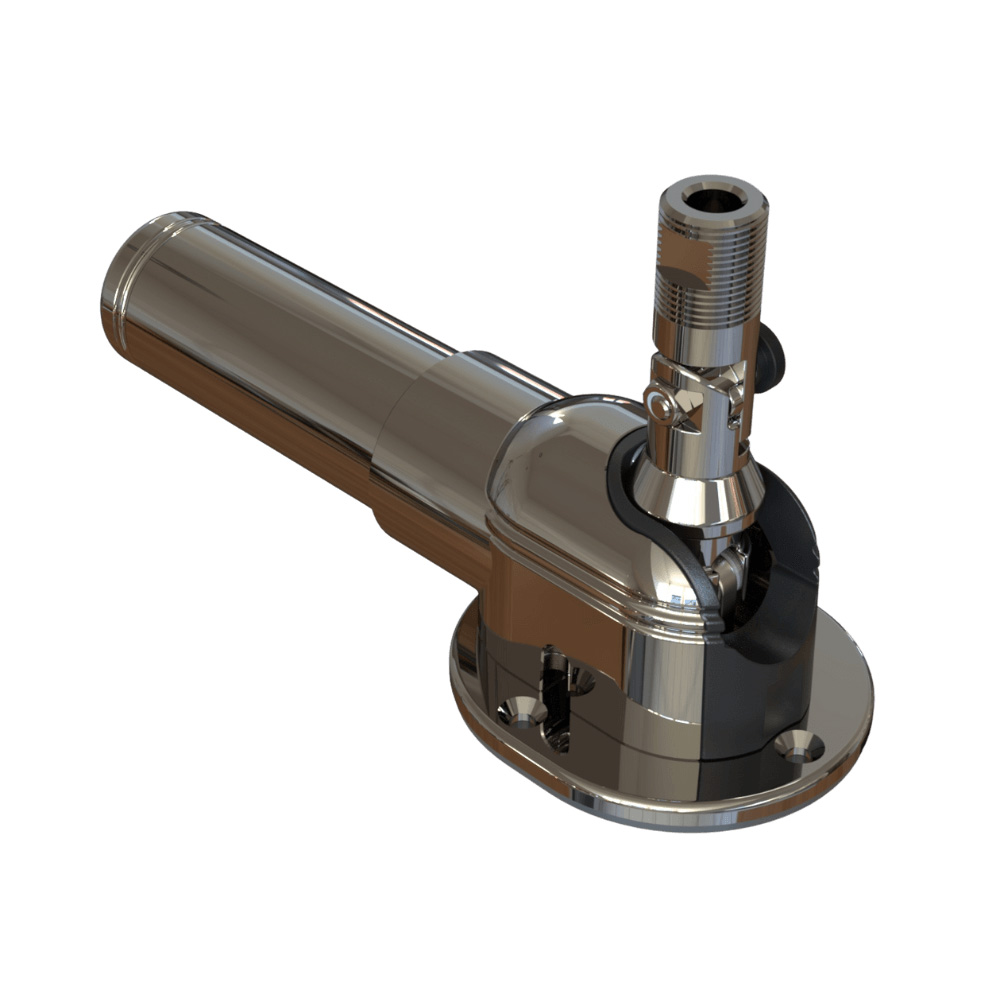
- Thru-hull and in-hull: for larger boats and inboards, often installed by a marine technician.
- Portable and ice: suction or float mounts for kayaks, rentals and ice fishing.
Match before you buy
Transducers are specific to the display brand, the connector pin count and the frequencies the display supports. Check the display's manual or call us with your model and we will confirm the match.