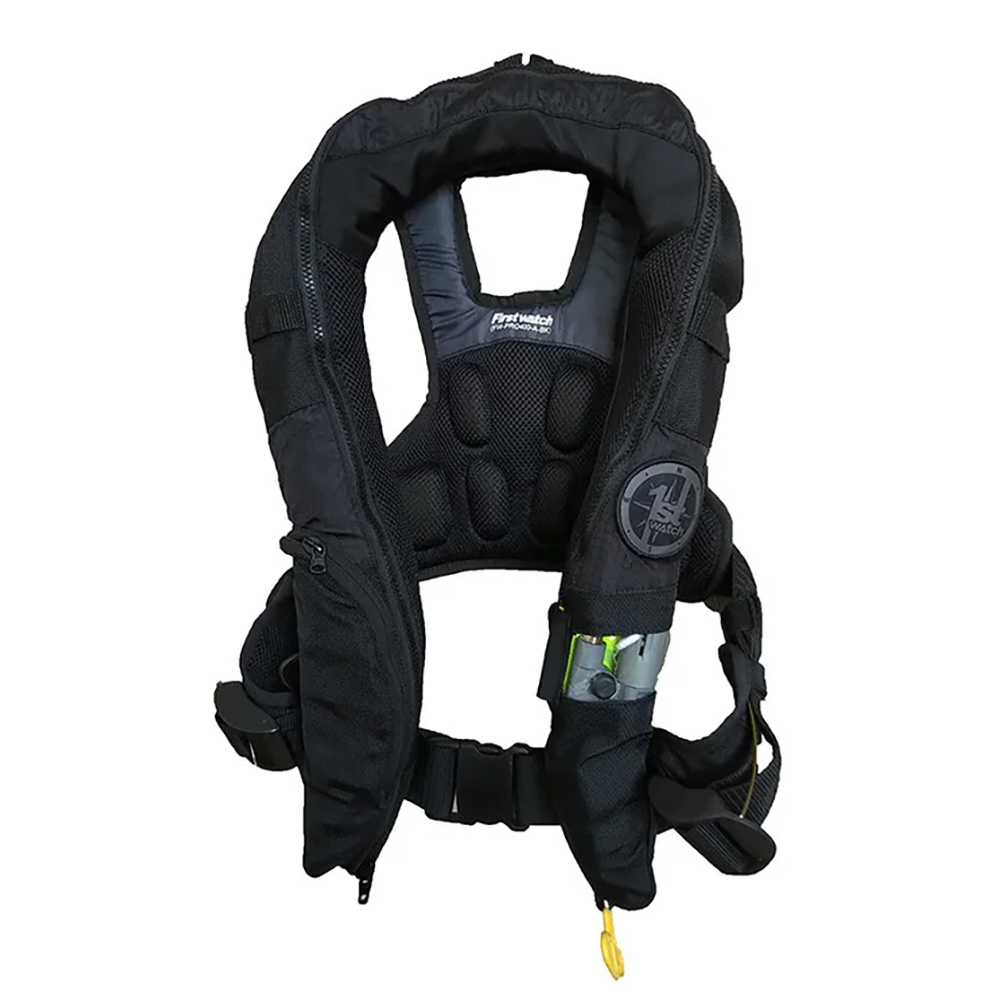
A life jacket only works if it is worn and it fits. Choose one you will be comfortable wearing all day.
What federal rules require
Most recreational boats must carry a properly sized, U.S. Coast Guard approved wearable life jacket for each person aboard. Boats 16 feet and longer, other than canoes and kayaks, must also carry a throwable device such as a cushion or ring. Many states add rules, including when children must wear one and when life jackets must be worn on personal watercraft or in cold months, so check your state's boating regulations.
Foam or inflatable
Foam life jackets float the moment you hit the water and need no maintenance beyond inspection. Inflatable life jackets are slim and cool to wear, and inflate automatically or with a pull cord. They need their CO2 cylinder and indicators checked regularly, are not intended for weak swimmers, and are generally not approved for children under 16 or for watersports.
Paddling vests
Paddling life jackets have large arm openings, short backs that clear a kayak seat, and pockets for a whistle and tools.
Getting the fit right
Check the label for chest size and weight range. Fasten every buckle and zipper, then lift the shoulders: a correct fit will not ride up past your chin or ears. Children's life jackets are sized by weight and should have a crotch strap.