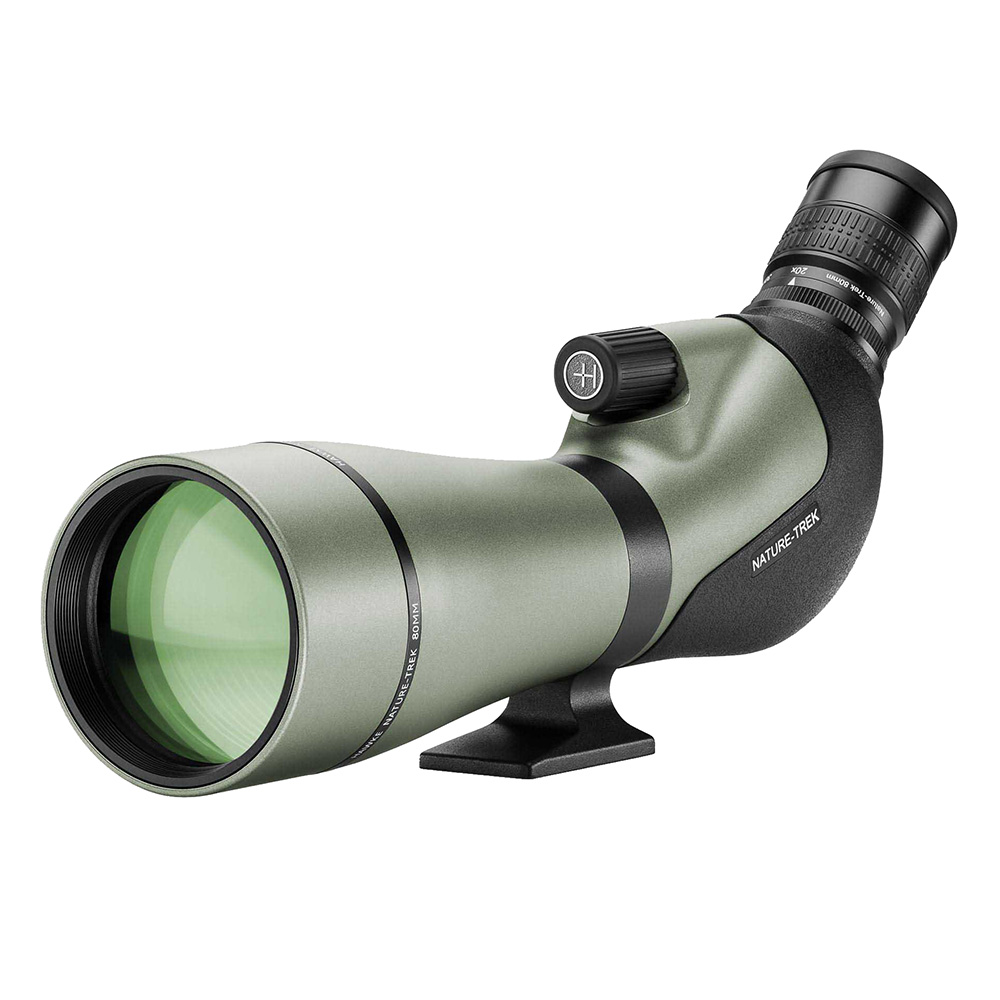
A riflescope labeled 3-9x40 zooms from 3 to 9 power and has a 40 mm objective lens. Low-power variable scopes are fast at close range; higher magnification helps with precise shots at distance.
Picking a magnification range
- 1-6x or 1-8x: fast target acquisition, dense cover, hog and predator work, close-range hunting.
- 3-9x or 3-12x: the classic all-around hunting range for deer and similar game.
- 4-16x and up: open country, varmints and long-range shooting.
First or second focal plane
In a second focal plane (SFP) scope the reticle stays the same size as you zoom, and holdover marks are only accurate at one magnification, usually the highest. In a first focal plane (FFP) scope the reticle grows and shrinks with the image, so holdover marks are accurate at every magnification. SFP is simpler for most hunting; FFP suits shooters who dial and hold at many ranges.
MOA or MIL
Turrets adjust in either minutes of angle (MOA) or milliradians (MIL). Both work. What matters is that the turrets and reticle use the same unit so your holds and adjustments match.
Mounting
Use rings that clear the objective bell, keep a consistent cheek weld, and torque ring and base screws to the manufacturer's specifications. A level and a torque driver make the difference between a scope that holds zero and one that wanders.