Safe ice comes first. Many state natural resource agencies cite at least 4 inches of new, clear ice for walking, with more needed for snowmobiles, ATVs and vehicles. Ice thickness varies across a lake, so check it as you go and ask local bait shops about conditions.
Safety gear
- Ice picks worn around the neck, and a spud bar to test ahead
- A throw rope
- A flotation suit or a life jacket
- Ice cleats on your boots
- A charged phone in a waterproof case, and a partner
Fishing gear
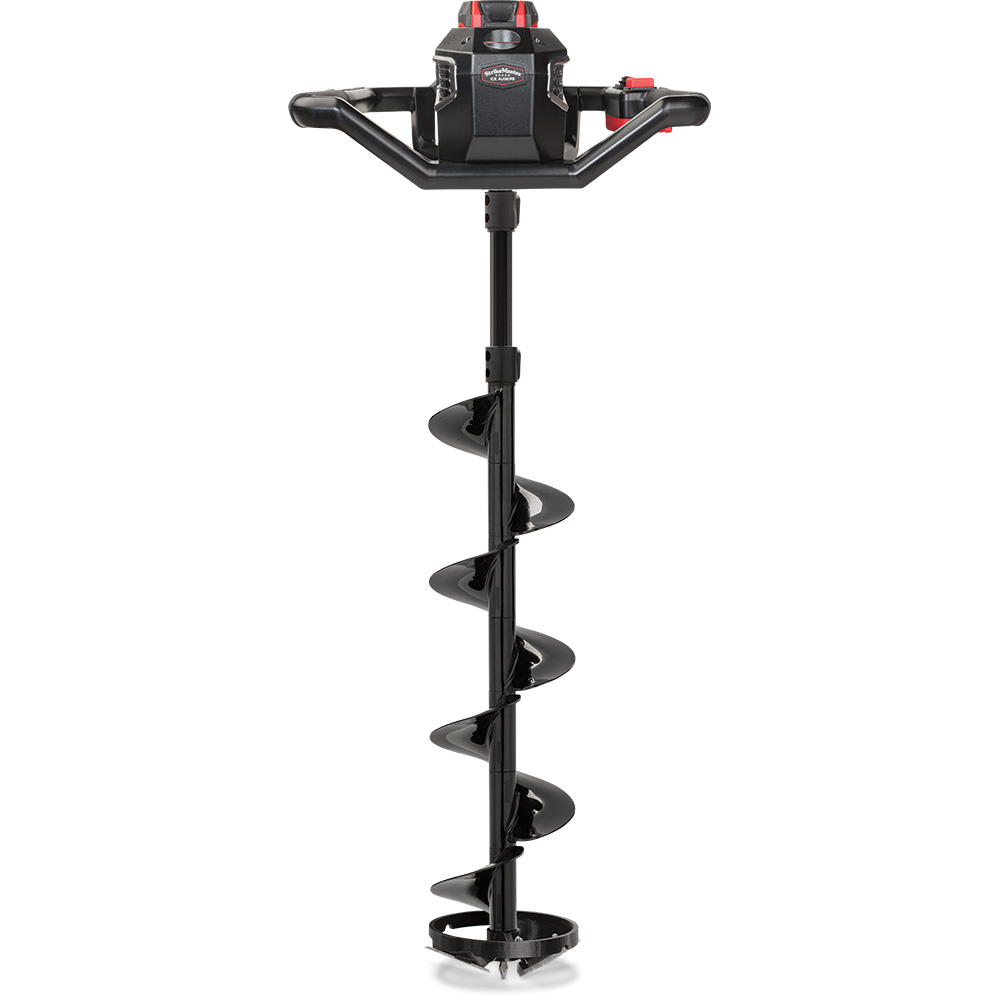
- An auger with sharp blades and a spare battery or fuel
- A skimmer to clear the hole
- Short ice rods with light line and small jigs
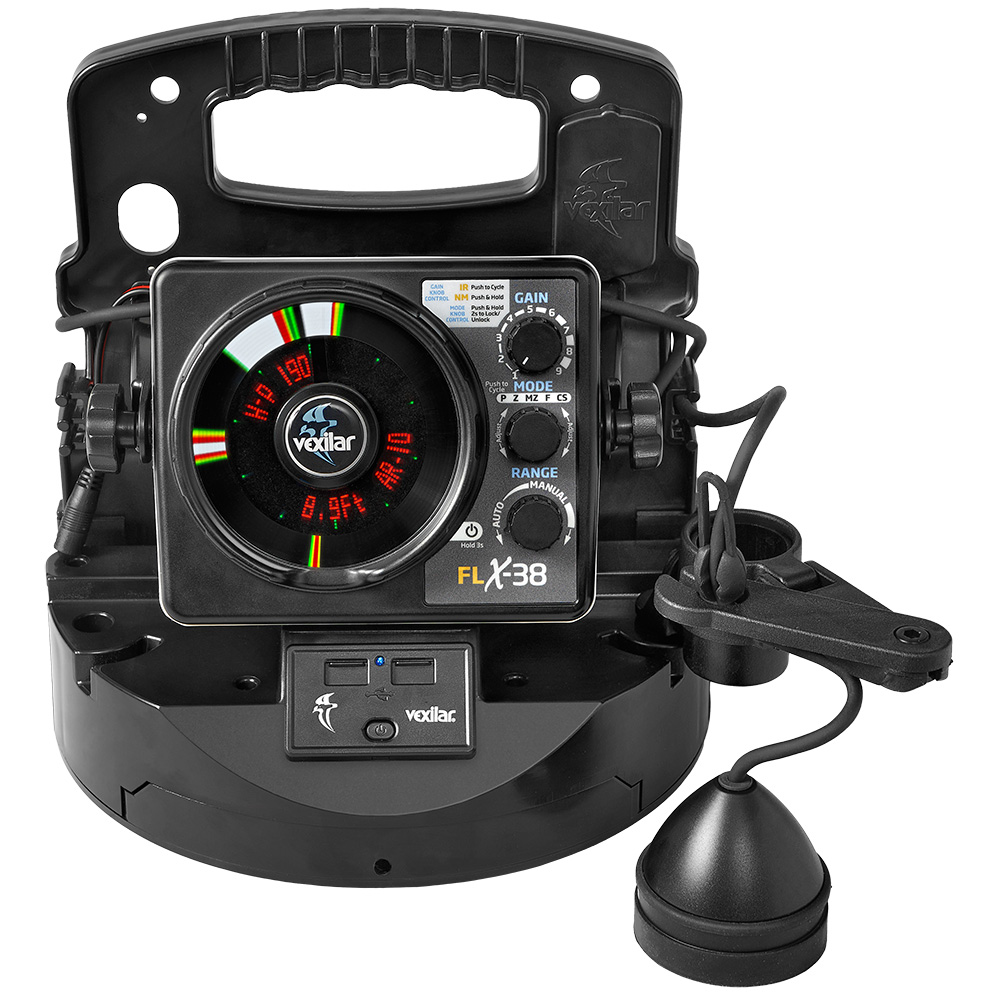
- A flasher or fish finder with an ice transducer
- Tip-ups for pike and walleye where allowed
Comfort
A shelter and heater turn a cold morning into a long day. Use heaters only with ventilation and a carbon monoxide detector.